
A Comprehensive Guideline For South Asia
South Asia Decoded: A Comprehensive Guide to Visas, Health, and Etiquette in 2026
The Paperwork Check

South Asian immigration can be paperwork-heavy. Don’t let a technicality stop your trip before it starts:
The “Six-Month” Rule: The “Six-Month” Rule is designed to protect you. The majority of South Asian countries, particularly India and Sri Lanka, require at least 6 months of passport validity from the date of arrival.
E-Visas & ETAs: Digital visas are utilized by India, Sri Lanka, and Pakistan. Be sure to apply at least 7-10 days in advance. As for Sri Lanka, be sure to use the ETA portal and no other; this is the only trusted portal to mitigate the risk of scams.
The Bhutan “SDF”: If you want to go hiking in the Himalayas, then this is for you! Just bear in mind the Sustainable Development Fee ($100/day) at the time of your travel; this is a standard requirement in Bhutan and is for their local ecology, which is required by 2025. Make note of this as you budget your trip.
Health and Well-being
The “Delhi Belly” is famous for a reason, but it’s avoidable with the right 2025 strategy:
The Water Rule: NEVER drink tap water. Use bottled or purified water when brushing your teeth, and do not go to restaurants where water is served unless you ask for your meal to be served dry. Many hotels provide high-quality ‘Reverse Osmosis’ (RO) water. The water is high-quality and worth the investment to eliminate the need for bottled water.
Air Quality Awareness: If you are travelling to the north India region, and in particular the countries of Pakistan or Bangladesh in the months from October to February, be aware of the “Winter Smog” phenomenon. For individuals with asthma, days in very populated cities may require the use of a high-quality mask (N95 or equivalent) to help alleviate more severe symptoms.
Dengue and mosquitoes: While malaria is an illness that can be contracted in the region, urban areas are at higher risk for Tropical Dengue Fever. People planning to visit Sri Lanka and the southern part of India, particularly Kerala, are encouraged to wear mosquito repellent during the day.
Street Smarts and Connectivity
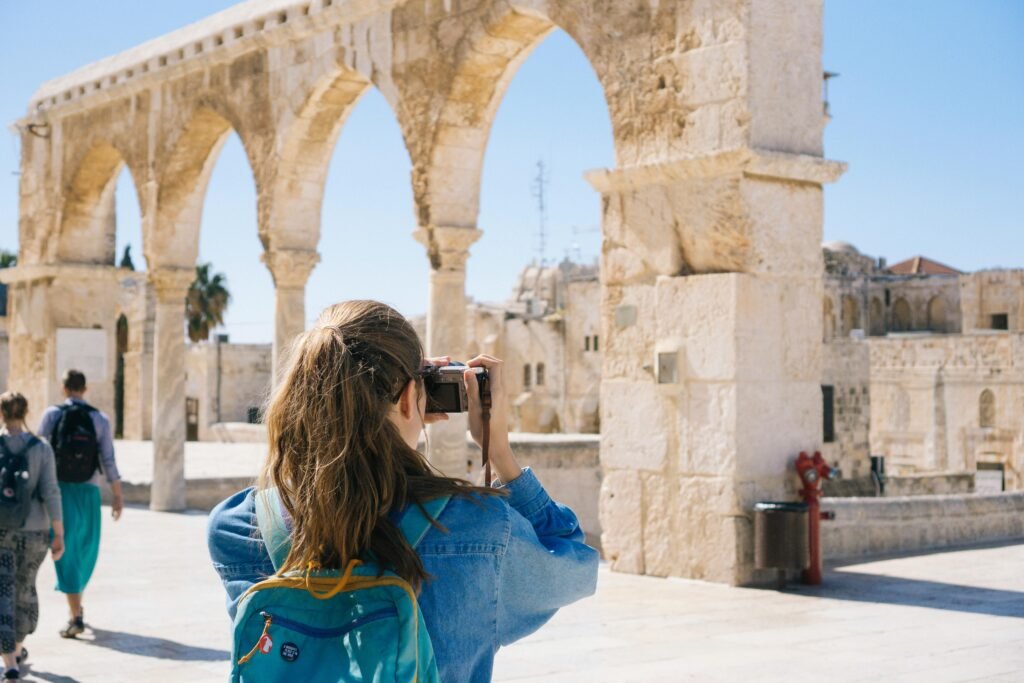
While southern Asia is a relatively safe part of the world to visit, individuals planning to travel there should be aware of the crowded urban environments, the ‘hustle’ mentioned previously, and the popularized trademark scams.
The ‘Closed’ Scam: A common trick, especially in the cities of Delhi or Colombo. A local will tell you, “That temple/hotel is closed today for a festival—let me take you elsewhere, senior (or the equivalent of an elder in local dialect). This is a popularized method for diverting your destination. You should ignore it, keep the “hustle closed” in your mind at all times and use your common sense. Check the gates yourself, if there are any. They are almost always open, and none of the sites are closed.
Ride-Hailing is King: As of 2025, do not try to negotiate prices with street rickshaw drivers. Use Uber, Ola (India), Pathao (Bangladesh), or PickMe (Sri Lanka). They offer reasonable and trackable rides.
Digital Sim/eSIM: Stay connected. The moment you arrive, get an eSIM (Airalo is an option, or a local Airtel/Jio SIM). Having data is crucial for navigation, payments, and menu translations.
Respect the Landscape (Eco-Code)
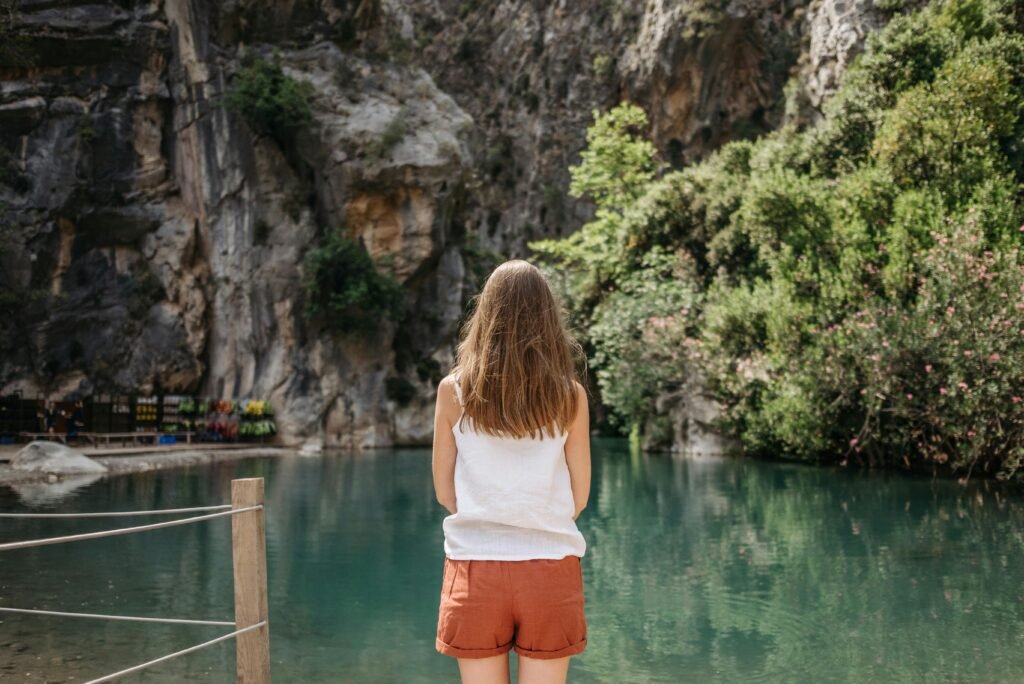
South Asia contains some of the most delicate ecosystems on the planet.
Plastic-Free Zones: The Himalayas (Nepal/India), the Maldives, and many other places have complete bans on single-use plastics. Bring along a reusable water bottle, as many trekking paths have “safe water” refill stations.
Wildlife Etiquette: Always maintain a safe distance, whether it’s Ranthambore’s tigers or Minneriya’s elephants. As of 2025, feeding monkeys is heavily fined, as it causes dangerous animal behaviour that impacts tourists.
Trekking Permits: In Nepal, the “TIMS” card, along with other park permits, is compulsory and is regularly checked by mountain police. Ensure they are kept in a waterproof cover.
Embracing “Salam & Namaste”
South Asia is a ‘Modest’ culture. Following these social cues will make your trip more seamless:
Modesty Rule: When entering temples, mosques, and rural villages, keep your shoulders and knees covered. Having a lightweight linen scarf is a good idea to wrap around you when entering a sacred space.
Footwear: You will be going barefoot a lot (at temples, in homes, and sometimes shops). Wear slip-on shoes and keep a pair of socks in your bag to protect your feet. Stone floors often absorb a lot of heat from the afternoon sun and can scorch the skin.
Head bobble: Expect an unusual side-to-side head motion. This does not always mean a ‘yes’ and is more likely a statement of ‘I know’ or ‘leave it to justify my existence’, so smile and bobble back!
Right hand: for eating, handshakes, and giving and receiving money, always use your right hand. The left hand is traditionally considered impure for such things.